Helping Families Heal and Reconnect After Separation
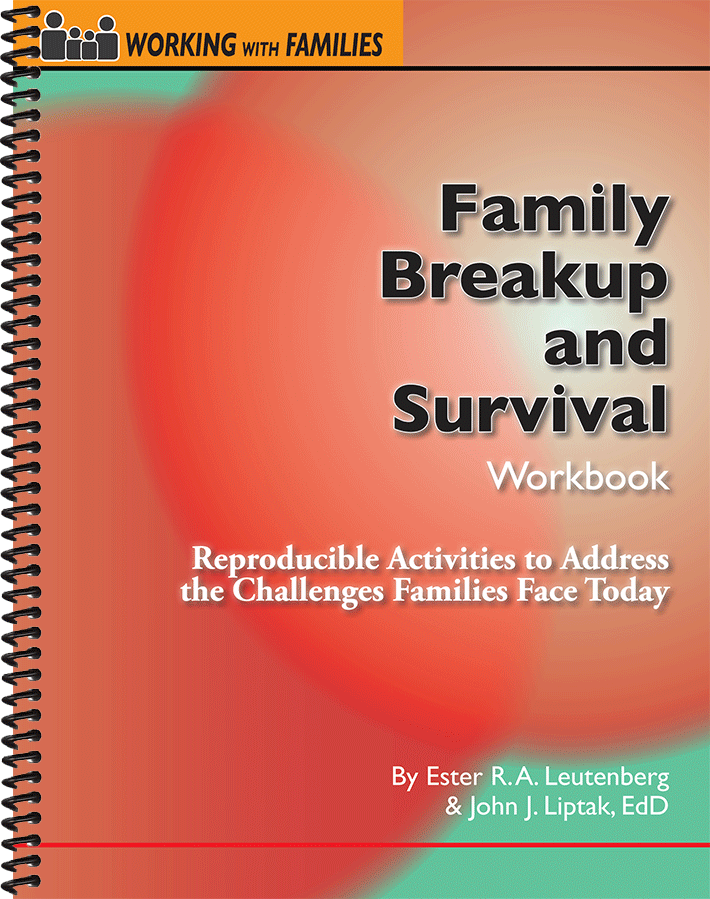
Family breakup and survival resources provide compassionate guidance for families coping with change, loss, and restructuring after separation or divorce. Each fully reproducible activity helps family members express feelings, communicate effectively, and rebuild trust through honest reflection and guided dialogue.
This workbook supports practitioners working with families as they move through the emotional and logistical transitions that accompany a breakup. Whether addressing separation, divorce, annulment, or the end of a relationship, the activities encourage healing, promote empathy, and strengthen resilience across all family members.
Why This Workbook Works
The Family Breakup and Survival Workbook gives every family member an opportunity to share their perspectives, perceptions, and emotions in a structured, supportive way. Using qualitative assessments, journaling, and collaborative discussion, facilitators can help families bridge communication gaps and promote empathy and connection.
Chapters include:
-
Communication – exploring how information about the breakup was conveyed and its emotional impact.
-
Visitation and Relationships – examining caregiving arrangements and evolving family roles.
-
Feelings – reflecting on emotions and coping strategies during adjustment.
-
Changes – identifying and managing personal and relational transitions following a breakup.
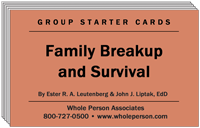 A Companion Family Breakup and Survival Card Deck for Deeper Conversations
Pair this workbook with the Family Breakup and Survival Card Deck for spontaneous, engaging dialogue.
Using the Discussion Starter Card Deck will break the ice, encourage openness, and help introduce a specific subject. Activity handouts included in these workbooks are reflective, easy-to-use exercises, presented in a variety of formats to accommodate multiple intelligences and different learning styles. Each question corresponds to a page in the workbook.
Continue Supporting Families in Transition
Facilitators, counselors, and family educators can combine this workbook with related titles to expand their sessions, support ongoing communication, and provide healing opportunities for all family members. These complementary resources focus on communication, empathy, and resilience in changing family dynamics.
Explore related titles:
Frequently Asked Questions about Family Breakup and Survival Workbook
What kinds of family situations does this workbook address?
It covers a wide range of experiences, including divorce, separation, annulment, and cohabitation changes. The activities are adaptable to meet the emotional and practical needs of diverse families.
How does this workbook help families communicate more effectively?
Through guided self-assessments, journaling prompts, and discussion-based exercises, families practice expressing feelings and perspectives safely and constructively.
Can the activities be used with children and adults together?
Yes. Each section includes age-appropriate variations, making it suitable for family sessions that involve both adults and children.
How can facilitators integrate this workbook into ongoing counseling or educational programs?
Professionals can use the reproducible activities as stand-alone sessions or within broader curricula focused on family relationships, communication, or emotional adjustment.