Creative Wellness Activities for Workshops, Trainings, and Group Learning
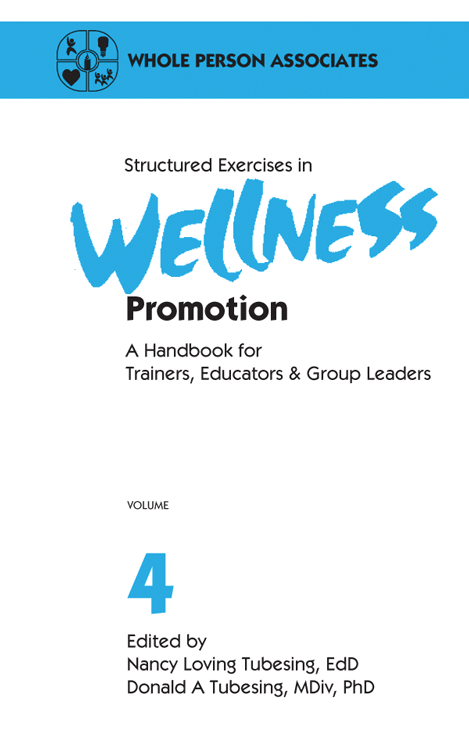
Structured Exercises in Wellness Promotion, Volume 4 provides 36 dynamic activities that help participants explore health and well-being through meaningful reflection, experiential learning, and guided discussion. Designed for trainers, educators, counselors, and group leaders, these activities support personal awareness, lifestyle improvement, and whole person thinking. Participants examine health habits, emotional patterns, personal stressors, values, self-esteem, and wellness priorities through a variety of structured processes. This volume helps facilitators lead programs using wellness activities for groups that encourage insight, connection, and positive change.
The Introduction emphasizes that wellness remains one of the most influential topics of the decade and highlights the importance of involving people actively in the learning process. Each activity includes goals, time estimates, group size recommendations, materials needed, step-by-step instructions, and variations. Whether used in large workshops, small groups, or personal development programs, these exercises help participants understand themselves more fully and take meaningful steps toward healthier living.
What This Volume Provides
Volume 4 offers a rich mix of warm-ups, wellness assessments, major theme-developing processes, self-care explorations, and energizers. Worksheets support these activities with structured tools such as wellness profiles, creative challenge lists, health history charts, guided reflections, self-esteem grids, personal psalm templates, job motivator inventories, discovery logs, and more. These handouts provide participants with concrete ways to explore their experiences, record insights, and identify new habits.
The resource section includes trainer guidance, sample workshop combinations, four-star recommended exercises, and annotated indexes for demonstrations, chalktalks, physical energizers, mental energizers, and relaxation routines. The structured format makes planning simple while allowing facilitators to maintain flexibility and personal teaching style.
Exercise Categories Included in This Volume
Icebreakers
Brief, lively activities that warm up participants, open communication, and set the tone for wellness-focused reflection. These processes ease participants into discussion and encourage curiosity about their own well-being.
Wellness Explorations
Activities that help participants examine well-being from a whole person perspective. Through guided reflection and creative expression, participants explore values, lifestyle habits, health priorities, and their vision of wellness.
Self-Care Strategies
Exercises that strengthen personal responsibility for well-being across physical, emotional, relational, spiritual, and lifestyle dimensions. Participants identify strengths, notice patterns, reflect on experiences, and explore practical ways to enhance their day-to-day self-care.
Planning and Closure Processes
Activities that help participants integrate learning, reflect on new insights, and plan meaningful action steps. These processes support motivation, commitment, and long-term follow-through.
Group Energizers
Light, enjoyable activities that refresh attention, encourage movement, spark creativity, and re-engage participants during longer workshops or trainings. Energizers help maintain focus and enthusiasm throughout the session.
Resources
A trainer-focused section offering workshop design tips, sample program outlines, recommended combinations, and detailed indexes that make preparing sessions efficient and intuitive.
Who Will Benefit from This Volume
-
Wellness and health promotion facilitators
-
Counselors, therapists, and social workers
-
Corporate wellness trainers and HR professionals
-
Educators, coaches, and community program leaders
-
Healthcare and pastoral care providers
-
Anyone designing programs that support whole person well-being
Important Extras Included with Purchase
-
PDF of all reproducible worksheets, including assessments, reflection sheets, creative prompts, self-care tools, and planning forms
-
PowerPoint slides that summarize key concepts and support instruction
-
Clear, ready-to-use activity designs that save preparation time
-
Flexible exercises appropriate for diverse audiences, settings, and group sizes