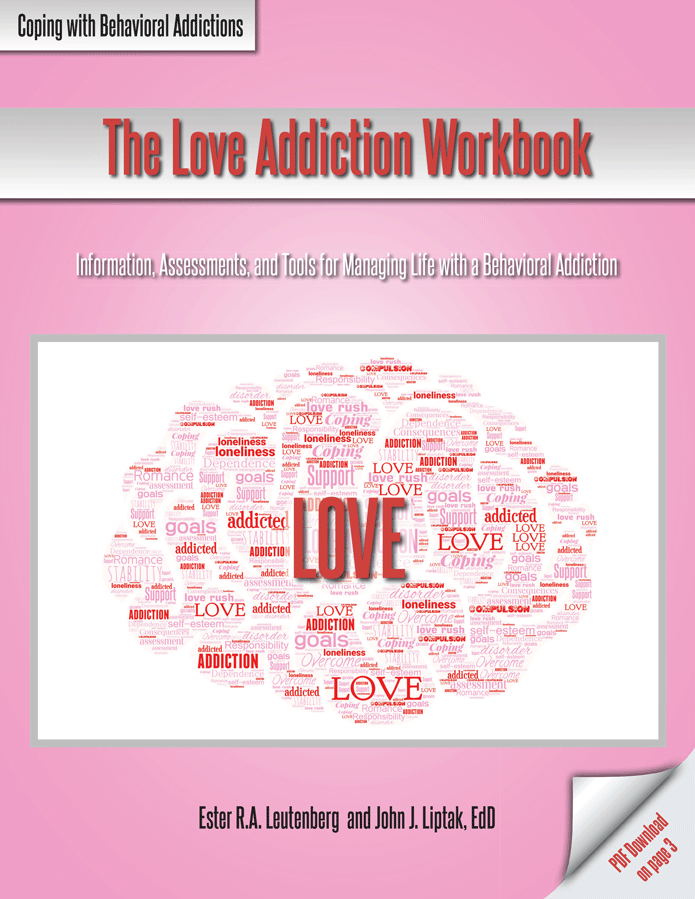
Understanding and Overcoming Love Addiction
The Love Addiction Workbook provides helping professionals with cognitive and behavioral tools to help clients identify and change the patterns that drive dependency, codependency, and unhealthy relationship cycles. Through guided self-reflection, participants learn to understand their emotional triggers, build self-worth, and break free from destructive romantic attachments.
Love addiction can feel like an endless cycle of seeking validation and connection from others to feel whole. This workbook helps participants replace those patterns with genuine self-awareness, balance, and emotional resilience.
How This Workbook Supports Healthy Relationships
This workbook includes five structured modules that guide participants through the process of recognizing, understanding, and healing from love addiction:
• Self-Esteem – Explore how self-esteem influences relationship choices and learn to develop self-worth that isn’t dependent on external validation.
• Fear of Being Alone – Examine fears of loneliness and abandonment that drive compulsive relationship-seeking, and learn to find comfort in independence.
• Codependency – Understand the emotional and behavioral patterns that lead to codependent relationships and discover tools for building mutual, respectful connections.
• Love Addiction Costs – Reflect on the emotional, social, and personal consequences of love addiction and practice strategies to end self-defeating cycles.
• Love Yourself – Learn to replace the need for external affirmation with self-acceptance and respect, embracing a more authentic and empowered sense of self.
Each module includes reproducible self-assessments, journaling exercises, and facilitator-ready activities that promote insight and growth. A PDF download of all worksheets is included for easy use in counseling or group settings.
Who Can Benefit from the Love Addiction Workbook
This workbook is designed for professionals and participants who seek to build healthier, more balanced relationships:
• Therapists, counselors, and recovery specialists working with clients struggling with relationship dependency or codependency patterns.
• Educators and facilitators addressing emotional wellness, relationship health, and self-esteem in group or classroom settings.
• Support group leaders guiding participants toward greater self-awareness and independence.
• Individuals in recovery seeking to end unhealthy relationship patterns and rediscover their sense of worth and self-acceptance.
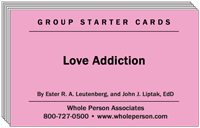 A Companion Love Addiction Card Deck
Pair the workbook with the Love Addiction Discussion Starter Card Deck.
Using the Discussion Starter Card Deck will break the ice, encourage openness, and help introduce a specific subject. Activity handouts included in these workbooks are reflective, easy-to-use exercises, presented in a variety of formats to accommodate multiple intelligences and different learning styles. Each question corresponds to a page in the workbook.
Sample Questions:
• In what way do you expect a partner to be perfect?
• Tell about a time you put up with someone mistreating you emotionally or physically without stopping them. Why didn’t you?
• How have your relationships become a problem with your job or job performance?
Next Steps Toward Healthy Connection
The Love Addiction Workbook helps participants uncover the root of their emotional dependencies and replace them with a foundation of self-worth and independence. Whether used in counseling, groups, or educational programs, it equips clients to develop healthier, more fulfilling relationships grounded in mutual respect and emotional balance.
For additional resources that promote emotional wellness and relationship growth, explore:
Frequently Asked Questions about the Love Addiction Workbook
How does this workbook help clients break unhealthy relationship patterns?
The activities help clients identify core emotional needs, challenge negative thinking patterns, and build self-worth so they can form relationships based on respect rather than dependency.
Does the workbook address codependency and emotional boundaries?
Yes. Several modules explore how codependency develops and offer strategies to set and maintain healthy emotional boundaries.
Can this workbook be used in relationship therapy or couples counseling?
Yes. Facilitators can use specific exercises to help individuals or couples identify patterns of emotional dependence and promote more balanced, reciprocal relationships.
Is the workbook appropriate for group and individual use?
Absolutely. The reproducible handouts are flexible for both one-on-one therapy sessions and small group workshops.