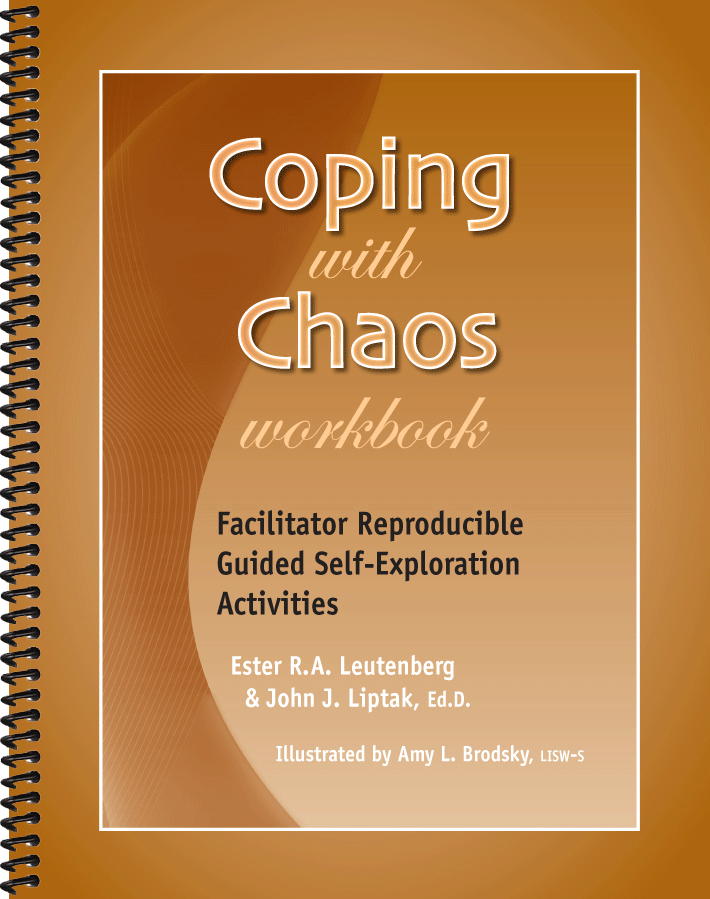
Practical Tools to Manage Chaos and Restore Balance
The Coping with Chaos Workbook equips professionals with reproducible assessments and guided activities that help participants recognize patterns of disorder, manage unpredictability, and regain a sense of control. This resource emphasizes skills to reduce frustration, exhaustion, and overwhelm by teaching practical strategies for creating structure in daily life.
Across four focused chapters (Disorganization, Control of Chaos, Juggling Multiple Roles, and Time-Pressure), participants learn to identify the areas of life where chaos shows up and develop tools to manage it more effectively. Clear facilitator notes and reproducible handouts make this coping with chaos workbook easy to use in both group and individual settings.
Why This Chaos Workbook Works
This workbook blends assessments with guided self-reflection so participants can explore the causes and effects of chaos in their lives. Facilitators can help clients strengthen organization, improve time management, and restore balance in multiple life roles.
Chapters include:
-
Chapter 1: Disorganization: Helps participants explore how a lack of organization in personal and professional life leads to a sense of chaos.
-
Chapter 2: Control of Chaos: Guides participants to examine how well they can control distractions, stay organized, and maintain influence despite outside forces.
-
Chapter 3: Juggling Multiple Roles: Encourages participants to evaluate their effectiveness in balancing the various roles they play in daily life.
-
Chapter 4: Time-Pressure: Helps participants recognize the impact of poor time management on their overall level of chaos.
Who Will Benefit
-
Facilitators and group leaders seeking reproducible tools for workshops and support groups
-
Counselors and therapists helping clients reduce stress and disorder in daily routines
-
Educators and program staff teaching skills for organization and time management
-
Adults living with constant demands who want strategies to minimize frustration and regain order
A Companion Coping with Chaos Card Deck for Deeper Conversations
Pair the Coping with Chaos Workbook with the Coping with Chaos Card Deck.
Using the Discussion Starter Card Deck will break the ice, encourage openness, and help introduce a specific subject. Activity handouts included in these workbooks are reflective, easy-to-use exercises, presented in a variety of formats to accommodate multiple intelligences and different learning styles. Each question corresponds to a page in the workbook.
Sample Questions
-
Discuss how disorganization at home can lead to stress. Ask the group for examples.
-
What is one of the major roles you play (mother, sister, student, employee, etc.)? What do you expect of yourself?
-
In what situation are you always rushing? What can you do about it so you don't need to rush?
Take the Next Step in Managing Chaos
The Coping with Chaos Workbook provides reproducible assessments and guided activities to help participants explore sources of disorganization, improve control, balance roles, and manage time pressures more effectively. Available in print or as a PDF eBook, it is a practical and flexible tool for facilitators, counselors, and individuals seeking greater balance in their lives.
For additional support, see the Coping with Anxiety Workbook, the Coping with Change Workbook, and Regain Control in Your Life.
Frequently Asked Questions About the Coping with Chaos Workbook
How is the workbook organized?
Each chapter begins with an assessment, followed by guided self-exploration activities focused on different aspects of managing chaos.
Are the materials reproducible?
Yes. Assessments, activity handouts, and worksheets may be copied for use with clients or participants.
Is it suitable for groups and individuals?
Yes. Activities are adaptable for both formats and include facilitator guidance for smooth delivery.
What skills are included?
Improving organization, reducing distractions, balancing roles, managing time pressure, and restoring order in daily life.