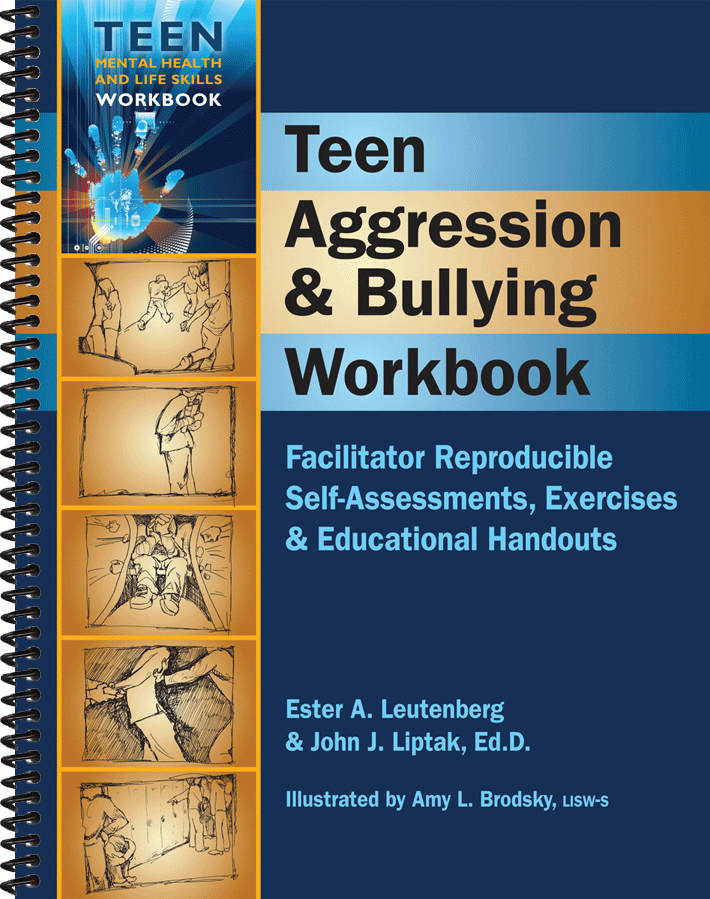
A Teen Bullying and Aggression Workbook for Safer Choices
The Teen Aggression & Bullying Workbook addresses one of the most pressing challenges faced by today’s teens: aggressive behaviors and bullying. This bullying workbook for teens provides a safe, constructive way to explore emotions, examine experiences, and reflect on both sides of bullying situations.
With reproducible worksheets, self-assessments, and journaling prompts, teens identify how aggression impacts their lives and practice alternative responses. Facilitators can use these resources to build empathy, reduce harmful behaviors, and guide participants toward healthier communication, resilience, and stronger relationships with peers.
Why This Resource Works
-
Six focused sections address the many aspects of aggression and bullying:
-
Violence Motivation — explore reasons teens may act aggressively.
-
Environmental Aggression — examine exposure to violence at home, in neighborhoods, and online.
-
Are You Being Bullied? — assess if and how teens are being targeted.
-
Are You a Bully? — reflect on behaviors that harm others and learn alternatives.
-
Bystander Behavior — practice safer, more constructive responses in bullying situations.
-
Depression and Suicide — discuss emotional health and warning signs using guided questionnaires and journaling.
-
Evidence-informed methods: Combines self-assessment, journaling, role plays, and reflective exercises.
-
Inclusive approach: Addresses heightened risks for students with disabilities and offers practical prevention strategies.
-
Practical tools: Includes unique activities such as the Bullying Box for anonymous reporting.
Who Will Benefit From This Resource
-
Therapists, counselors, and social workers supporting teens in individual or group counseling.
-
Teachers and school staff implementing bullying prevention programs.
-
Youth program leaders working with adolescents in community or peer group settings.
-
Teens themselves, who gain insight, resilience, and healthier tools for handling conflict and pressure.
A Companion Teen Aggression & Bullying Card Deck for Deeper Conversations
Pair the Teen Aggression & Bullying Workbook with the Teen Aggression & Bullying Card Deck.
Using the Discussion Starter Card Deck will break the ice, encourage openness, and help introduce a specific subject. Activity handouts included in these workbooks are reflective, easy-to-use exercises, presented in a variety of formats to accommodate multiple intelligences and different learning styles. Each question corresponds to a page in the workbook.
Sample Questions
-
What might be one reason you become aggressive toward other people? What other tactics can you use to stop others from hurting you?
-
Why do you think teens are picked on? Respond with one answer and go around the room asking each person to add one other answer.
-
In a bullying situation, what is the difference in the intent of tattling or reporting?
Take the Next Step Toward Regulation
Available in print and PDF eBook, The Teen Aggression & Bullying Workbook provides flexible, reproducible resources for counseling sessions, classrooms, and youth programs.
For related tools, explore the Teen Conflict Management Skills Workbook, the Teen Communication Skills Workbook, and the Teen Stress Workbook.
Frequently Asked Questions About the Teen Aggression & Bullying Workbook
Can this workbook be used in schools?
Yes. The reproducible worksheets and journaling prompts are well-suited for classrooms, group discussions, and counseling offices.
Does the workbook address cyberbullying?
Yes. The Environmental Aggression section includes internet-based bullying, helping teens recognize risks online and practice safer digital habits.
Is this resource only for teens who bully others?
No. It supports teens who are bullied, teens who bully, and bystanders who need guidance in how to respond constructively.