Practical Tools to Help Teens Understand and Balance Their Emotions
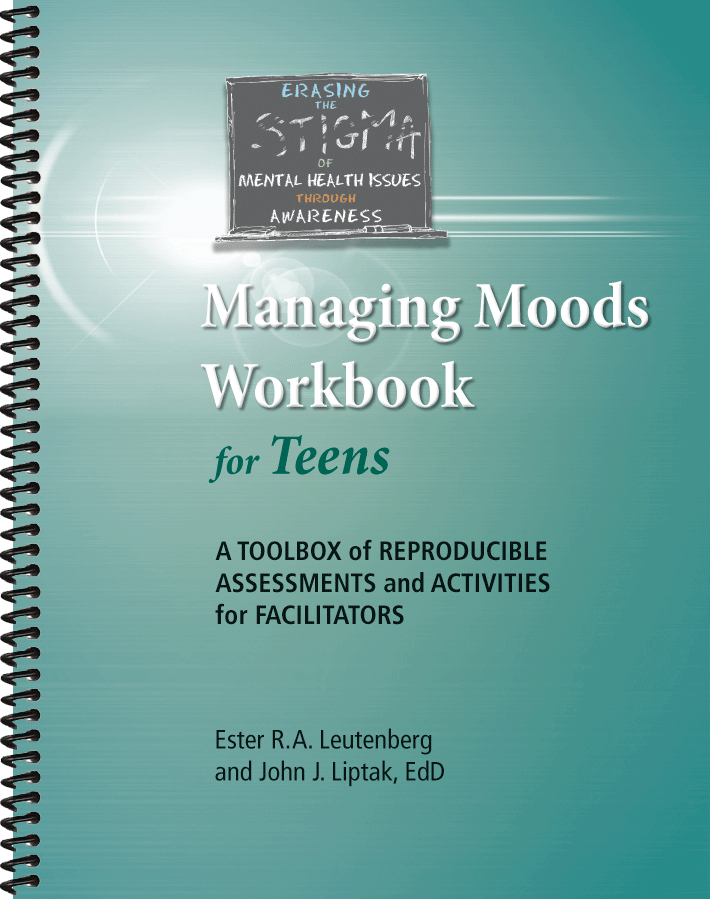
The Managing Moods Workbook for Teens gives facilitators, counselors, and educators reproducible assessments and guided activities to help teens understand mood changes and develop emotional stability. This teen mood management workbook provides an engaging and supportive framework for exploring feelings, understanding triggers, and developing healthy coping strategies. Teens learn how to identify patterns, express emotions appropriately, and build self-awareness and resilience.
Designed for flexibility, this workbook can be used in schools, counseling sessions, youth groups, or independently. Each reproducible worksheet helps teens build insight into their emotions while developing practical tools for managing stress and improving relationships.
This workbook is designed to use with clients who have been diagnosed with or may be showing signs of:
-
Bipolar Disorder (formerly Manic-Depressive Disorder)
-
Major Depressive Disorder
-
Mood Disorder, Not Otherwise Specified
-
Persistent Depressive Disorder / Dysthymia
-
Disruptive Mood and Dysregulation Disorder
In this workbook, we have used “moods” and “moodiness” as umbrella terms to describe mental-health issues related to these diagnoses.
Why This Teen Workbook Works
This resource helps teens build emotional awareness and develop skills to manage mood swings, regulate feelings, and challenge negative thought patterns. The five sections provide an accessible roadmap for understanding and improving emotional well-being.
Chapters include:
-
How Moody Are You?: Assess the depth and frequency of moodiness and develop ways to reduce its impact.
-
Effects of Moodiness: Explore how mood changes influence relationships, school, and social life.
-
Mood Triggers: Identify the thoughts, situations, and behaviors that contribute to mood shifts.
-
Roller Coaster Moods: Learn how to manage intense emotions and maintain balance.
-
Erasing the Stigma of Moodiness: Build awareness and acceptance around mental-health challenges.
Who This Teen Mood Workbook is For
-
Counselors and therapists working with adolescents experiencing mood swings or depression
-
Teachers and school psychologists leading wellness or social-emotional learning programs
-
Parents and caregivers supporting teens in managing emotions and stress
-
Teens who want to understand their moods and develop healthier coping habits
 A Companion Managing Moods for Teens Card Deck for Deeper Conversations
Pair the Managing Moods for Teens Workbook with the Managing Moods for Teens Card Deck.
Using the Discussion Starter Card Deck will break the ice, encourage openness, and help introduce a specific subject. Activity handouts included in these workbooks are reflective, easy-to-use exercises, presented in a variety of formats to accommodate multiple intelligences and different learning styles. Each question corresponds to a page in the workbook.
Sample Questions
-
How does this Cher quote apply to you? “Nothing lifts me out of a bad mood better than a hard workout on my treadmill. It never fails. To us, exercise is nothing short of a miracle.”
-
When you are feeling moody, what contributes to your feeling worse?
-
Teens experience many changes that can bring on moodiness and mood instabilities. What changes have you experienced lately? How did these changes affect your mood?
Take the Next Step Toward Confidence and Emotional Balance
The Managing Moods Workbook for Teens provides reproducible assessments and guided activities to help teens explore their emotions, reduce mood swings, and develop greater resilience. Available in print or as a PDF eBook.
For additional support, see:
Frequently Asked Questions About the Managing Moods for Teens Workbook
Is this workbook suitable for schools and youth programs?
Yes. The reproducible assessments and activities are perfect for classrooms, counseling groups, and community programs.
Are the activities age-appropriate?
Absolutely. The exercises are written specifically for teens and focus on real-life issues like friendships, academics, and family dynamics.
Can teens use this workbook on their own?
Yes. While it works well with facilitator guidance, teens can also use the workbook independently for reflection and self-improvement.
Does it help reduce stigma around emotions and mental health?
Yes. The final chapter, Erasing the Stigma of Moodiness, encourages open discussion and reduces shame related to mood issues.