
In this blog series, I am describing a research-based, scientific Life Skills IQ (LSIQ) Training process that bridges the gap between mental illness and mental health. LSIQ Training consists of four unique steps that are woven into Whole Person Associates’ mental health and wellness reproducible workbooks and card decks. The third of the four cognitive-behavioral steps to raise Life Skills IQ is intentional upskilling to rewire clients’ brains.
Most clients come to therapy because they get trapped in unconscious, automatic, and often unhealthy behavioral cycles. Because of this fact, therapists must look for ways to help clients break these unhealthy, habitual cycles by learning new ways of thinking, feeling, and acting. Step 3 of the LSIQ Training process helps clients rewire their brains and reshape their personalities through intentional life skills training. Clients engage in intentional life skills training by completing and processing journaling activities, assessing and addressing life skills gaps, and learning new skills to continuously reshape their brain’s neural pathways.
One of the critical cognitive theories in modern neuroscience is that the brain is flexible, not fixed. This notion suggests that the human brain is continually adapting to what people experience, what they do, and how they respond to new situations in life. This capacity is called “neuroplasticity,” and it plays a critical role in how people react, how healthy or unhealthy these reactions are, and how long they stay in unhealthy patterns.
What is Neuroplasticity?
Neuroplasticity is the brain’s ability to create, strengthen, and reorganize connections in the brain over time. It is the brain’s unique ability to reorganize and rewire its neural connections, enabling it to adapt, relearn, and operate in ways that are new, different, and healthier than previous behaviors. Neuroplasticity is the brain’s natural ability to change, adapt, and form new neural connections when you learn or experience new things. Some facts about neuroplasticity include:
- The brain rewires itself based on the client’s interactions in their environment. Thus, they can actively build new skills through learning or relearning new life skills.
- Clients can train and strengthen their mental agility through learning and practicing new life skills.
- Therapists can help clients rewire their brains through deliberate life skills learning practice.
- Clients’ brains rewire in response to learning new skills to use when experiencing environmental changes.
- To move from mental illness to mental health, therapists need to access the dynamic and flexible nature of the brain.
- Through intentional upskilling, clients can build, practice, and master daily life skills. Through learning and repetition, clients can turn hard tasks into automatic habits. Thus, “talk therapy” becomes a much more dynamic therapeutic process.
Neuroplasticity is the brain’s ability to reorganize and form new neural connections throughout life. Every time clients repeat a thought or learn a new skill, they strengthen the corresponding neural pathway. Figure 1 illustrates how it works:
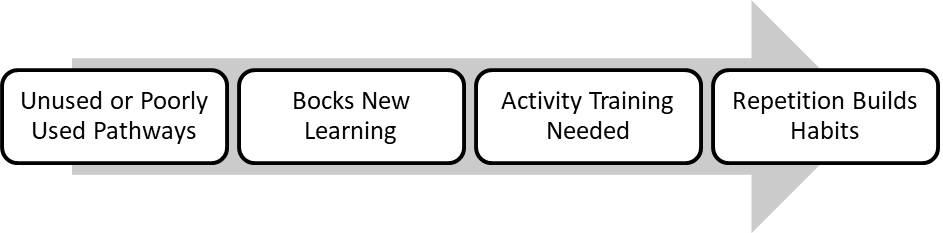
Figure 1: Brain Neuroplasticity Building.
Step 1: Unused or poorly used neural pathways and brain functions can weaken or degrade over time.
Step 2: Neuroplasticity changes with experience, especially when poor or unhealthy habits block or interfere with new learning of more effective thinking, feeling, and behaving.
Step 3: Activity training with specific life skills can dictate the kind of “plastic” change that can occur in the brain.
Step 4: High-intensity training builds and solidifies new, lasting connections from repeating successful use of the new life skill.
The Client’s Learning Brain in Therapy
LSIQ Training is a therapeutic approach that treats psychological, emotional, and behavioral change as an educational process. Whether employed as the primary therapeutic approach or used as a complementary component of traditional psychotherapy, LSIQ promotes the following core learning mechanisms in the therapeutic process:
- Clients acquire new knowledge to modify self-views and realities.
- Clients learn their struggles are shared by others.
- Clients learn that unhealthy, unconscious, and outdated behavioral patterns are no longer effective.
- Clients learn to unlearn unhealthy patterns.
- Clients learn to make cognitive shifts to healthy responses.
In LSIQ Training, clients’ brains undergo modifications to accommodate new information learned in therapy. To follow new behaviors or retain newly introduced cognitive or emotional information, the brain’s circuitry undergoes significant change. Your clients’ brains learn by changing physical connections between their cells. When they intentionally learn and practice life skills, the neurons in their brain “talk” to each other through tiny gaps called synapses. Repeating intentionally learned skills makes these pathways stronger and faster, while blocked or unused paths recede.
In therapy, clients have an opportunity to learn and practice life skills that can help to bridge the gap between mental illness and mental health. Over time, with practice, clients’ positive actions become more automatic, turning into positive emotional and behavioral habits. The brain is designed to strengthen what clients practice. Figure 2 describes the life skills learning process that occurs in therapeutic settings.
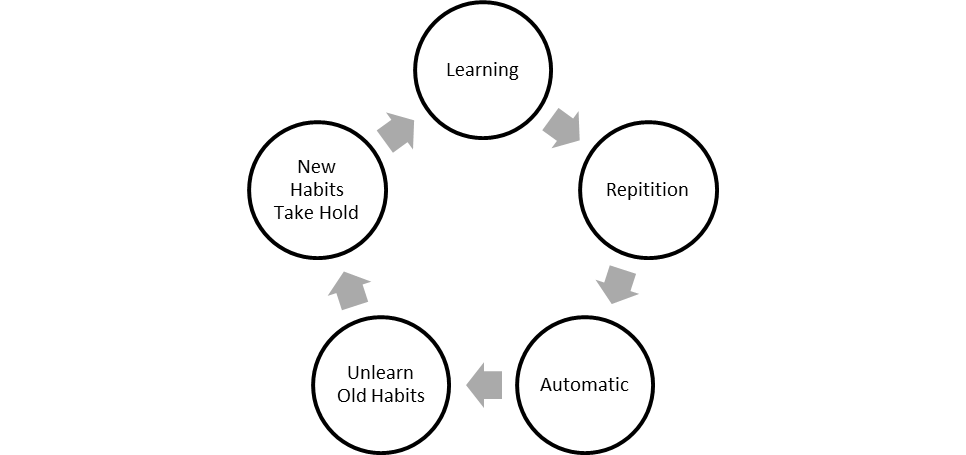
Figure 2: How the Brain Learns New Skills.
Helping Clients Rewire Their Brains
During LSIQ Training, therapists help clients build and refine brain connections. By rewiring their brains with new learning, repetitive practice, and positive habit formation, clients strengthen skills they can use in the future. Therapists using LSIQ Training believe that negative life patterns are not permanent and can be changed in therapy. The brain is always learning, and therapy is the perfect place to learn, repeat, and practice. Clients can build new ways of responding and create meaningful habits.
The following is an activity in the Cultivate Hope & Engagement in Life reproducible workbook that teaches clients how to become fully engaged in their lives. This activity can rewire the brain by helping clients examine and evaluate their lifestyles and daily activities to begin engaging in the highest-priority activities in their lives.
Let’s Get Fully Engaged (EXAMPLE)
To be fully engaged, you need to take the time to evaluate your current lifestyle. Life is made up of activities with varying levels of urgency and importance. You cannot treat all activities the same. By staying focused on your passions and strengths, and what will lead to engagement, you can separate what is really urgent and important from what seems to be. For example, you may think that working sixty hours a week is important until you see how distracting it is from your family life.
Think about your daily tasks. List them, then sort them into the following four quadrants:
My Activities: _________________________________________________________________
______________________________________________________________________________
______________________________________________________________________________
______________________________________________________________________________
The Four Quadrants
Urgent and Important: What are some urgent and important ways you can engage with family, friends, work, school, and community right away? Include the highest-priority items.
Not Urgent but Important: What are some urgent but not as important ways you can engage with family, friends, work, school, and community? Because they are not as urgent, you can decide when to do them. Thus, they are your second priority.
Urgent but not important: What things need to be done quickly, but it does not matter if you finish them late? Thus, they are your third priority.
Not urgent and not important: What are things that do not need your immediate attention and aren’t urgent? You should set these tasks aside to do later. Thus, they are your last priority.
Now answer a few questions about your life priorities:
Which areas of your life are you fully engaged in?
Which areas of your life do you need to be more engaged in?
Clients can practice this activity over several days until the activity becomes an automatic, habitual response.
By Dr. John J. Liptak, Founder, Life Skills IQ Institute, www.lifeskillsiq.com