
John Liptak has described the Life Skills IQ (LSIQ) Training process as a way to bridge the gap between mental illness and mental health. LSIQ Training consists of four unique steps that are woven into Whole Person Associates’ mental health and wellness reproducible workbooks and card decks. This blog explores the first of the four cognitive-behavioral steps to raise Life Skills IQ: Pattern Recognition.

Pattern Recognition is the vital first step people must complete to increase their Life Skills IQ. Pattern Recognition helps clients self-reflect to identify unconscious, automatic habits related to their presenting problem, primary concern, or DSM diagnosis. Clients who examine unhealthy patterns build self-awareness, break harmful cycles, and make conscious choices for personal growth. Without reflection, repetitive behaviors keep clients stuck in familiar negative situations.
Creatures of Habit
Clients experience many different types of problems and concerns that prompt them to seek professional therapy. Have you ever heard this from any of your clients?
- “I keep doing the same things over and over again and expecting it to be different.”
- “I get frustrated because I keep reliving negative events in my life.”
- “I get in the same arguments with significant others in my life.”
- “I encounter the same problems with my supervisors at work.”
- “I make the same choices, even though they never seem to work for me.”
- “I keep meeting people who treat me poorly.”
If your clients say these types of things to you, you are not alone. Many clients seek therapy because they wonder why certain events keep occurring repeatedly to them. For many clients, these negative patterns keep recurring in a repetitive pattern. Most clients who enter therapy never realize that they repeat negative cycles because their brain prefers familiar pain over unknown transition and change. This cycle is illustrated in Figure 1.
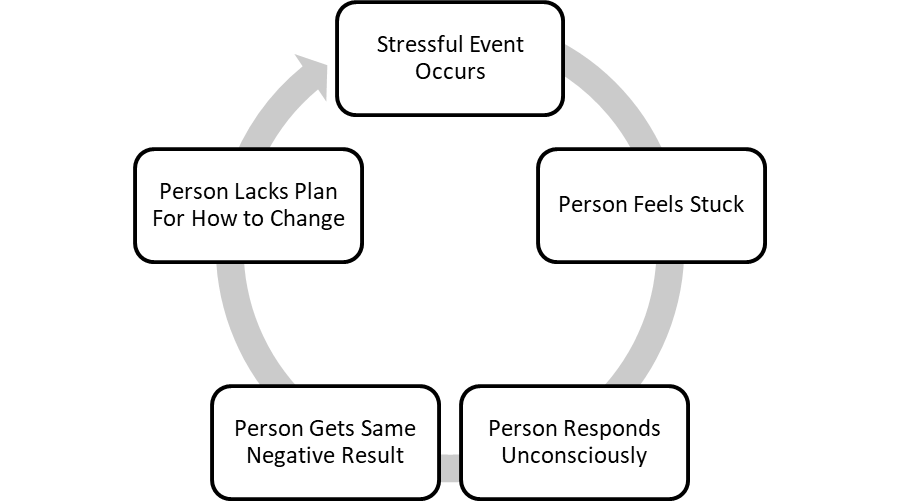
Figure 1: The Negative Life Cycle Process.
Patterns occur continually to provide structure and help people live their lives more efficiently. For example, when people wake up in the morning, most probably have a set routine for getting ready for the day. They don’t have to stop and think about what they need to do. Patterns allow people to engage in everyday routines without having to stop and think about every task. When these patterns provide a positive return, they help people navigate situations in life easily and efficiently.
If clients’ patterns are positive and yield positive results, they probably do not even notice them.
However, patterns can be negative and trigger anxiety, anger, and frustration. When your clients are not consciously aware of their negative patterns, they tend to keep repeating them. Clients need to recognize the recurring negative patterns in their lives. Once they have identified these negative patterns, they will have the power and motivation to alter them so that they begin to think, feel, and act in successful, proactive, empowered ways. Additionally, through introspection, clients can find alternative behaviors to help them make better choices, respond more effectively to change, and reshape their personalities while rewiring their brains.
The Repetition Compulsion
Psychoanalyst Sigmund Freud coined the term “Repetition Compulsion” to describe an unconscious drive to recreate upsetting, stressful, or traumatic early life experiences. Freud suggested that people engage in repetitive behavior to avoid suffering, gain mastery, get closure, and discover comfort in what feels familiar. In psychodynamic therapy, spotting these repeating patterns helps patients heal.
Whether they realize it or not, your clients are creatures of habit. They often live their lives by repeating and maintaining certain patterns, even when those patterns don’t produce positive results. Clients often fail to realize that these patterns, which have probably been conditioned from birth and govern their lives, are unconscious and automatic. When the patterns in their lives help them succeed in relationships, at work, at school, and at play, they rarely notice or think about them. However, when they keep repeating ineffective and inefficient patterns, their lives begin to break down. Examples of client negative life patterns include:
- Trouble maintaining relationships with other people.
- Career development problems.
- Feeling stuck or that life has no flow to it.
- Procrastination and perfectionism.
- Giving up too easily.
- Avoiding through addictions.
Freud proposed that bringing negative, automatic, unconscious habits into consciousness enables clients to respond differently, regardless of their primary personality orientation.
Breaking the Repetition Compulsion Cycle
Why do human beings lead unexamined lives? The answer is that we seem to fear self-reflection and self-examination. However, a structured reflection and examination of your beliefs, assumptions, characteristics, and patterns can provide you with a better understanding of yourself, which can lead to a more satisfying life. A greater level of self-understanding is often necessary to make positive, self-directed changes in the negative patterns that you keep repeating throughout your life (See Figure 2).
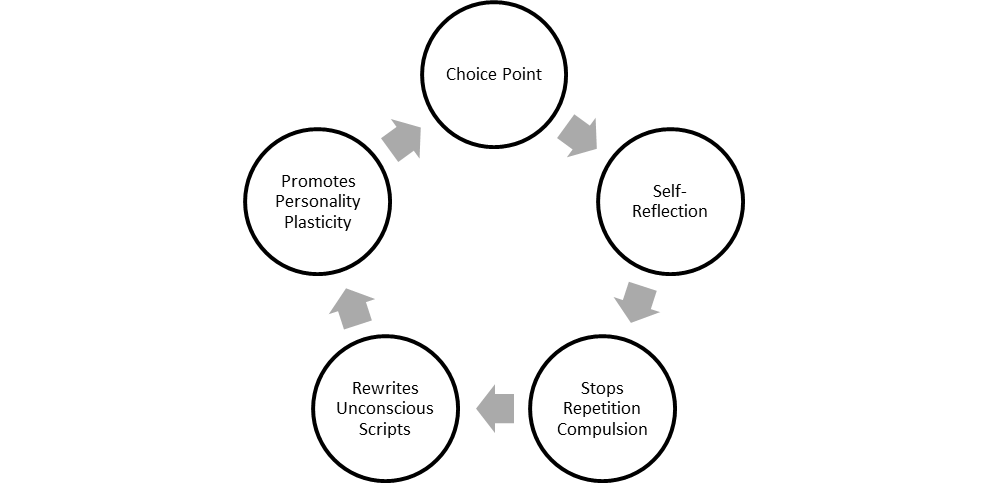
Figure 2: Breaking the compulsion to repeat negative patterns automatically.
Self-Reflection stops repetition compulsion and prevents peoplefrom reacting automatically, making poor decisions, reliving painful mistakes, and engaging in toxic situations.
Self-Reflection changes internal narratives and learned childhood responses that no longer serve them.
Self-Reflection promotes personality plasticity by allowing people to use mental agility to respond skillfully rather than from their primary personality orientation because it feels predictable.
What Is Self-Reflection?
Self-reflection is the cornerstone of Step One of LSIQ Training. Self-reflection is the process by which clients take the time to think about themselves and their behavior, what motivates them, the effects their personality plays in their behavior, and the various aspects of their attitudes. In this and the next step, clients examine their lives at both the micro and macro levels:
- Micro Level: Self-reflection at this level allows people to examine thinking, feeling, and acting patterns that arise in generic circumstances and situations over time. Self-assessment is the primary tool therapists use for self-reflection at this level. The remainder of this blog examines the use of assessments for self-reflection.
- Macro Level: Self-reflection at this level provides people with an opportunity to observe how they react in specific situations and events. People can see how they have acted or reacted, explore how satisfied they were with their behavior, and discover ways they could be more successful in the future. Focused storytelling, or journaling, is the primary activity therapists use for self-reflection in Step 2.
Without self-reflection, clients go through life having the same negative reactions with the same consequences. People often feel stuck, running on a negative treadmill, trying to keep their heads above water. They do the same things repeatedly, even if they get negative results. For clients, engaging in self-reflection can be difficult. Clients often find it challenging to take the necessary energy to self-reflect on their thinking, feelings, and actions.
Self-reflection prepares clients to learn life skills that highlight negative life patterns and promote healthy responses in the future. However, self-reflection requires a disciplined, intentional LSIQ Training approach. All Whole Person Associates’ reproducible life skills and mental health workbooks begin with self-assessments.
Steps in Self-Assessment
The assessments or inventories in the reproducible Whole Person Associates workbooks have been developed and designed just like any other test, inventory, or assessment on the market.
John Liptak created each workbook’s reproducible inventory so that clients can self-administer, score, and interpret them. Assessments provide clients with valuable information about themselves.
STEP 1: Decide when to administer self-assessment
Therapists need to think about how and when they will administer the reproducible self-assessments in each chapter of the workbooks. Therapists typically administer self-assessments in one of three ways:
- As homework after the intake and before the first therapy session.
- During the first session along with the intake.
- After the first therapy session.
STEP 2: Provide Instructions for clients
Before clients complete the self-assessments, the therapist should instruct clients….
- to read the inventory instructions. Each self-assessment has different formats, scoring instructions, and methods for self-interpretation.
- to keep in mind that the assessments are designed to be exploratory in nature. They are merely a starting point for you to begin learning more about yourself and how you fit into the world.
- To have fun! The purpose of the assessments is for clients to learn about themselves in a non-threatening way.
STEP 3: Scoring Assessment
Therapists can assist clients in scoring their assessment. Remind clients that scores on the assessments are not used to indicate how well they do compared to other people taking the test. Thus, the results are not intended to stereotype them, but to allow them to explore what the results mean to them.
STEP 4: Interpreting Assessment
Review the results of the assessments with clients very carefully. Remind clients that the assessment is merely an exploratory exercise and not a final definition of their characteristics, personality, or attitudes.
- Explore your results and begin to identify negative patterns.
- The assessment helps clients “face” themselves as they really are and accept reality about themselves.
- Clients may not always agree with the outcomes of the assessment. Therefore, it is important to explore how accurately the results mirror reality for you.
- Assemble assessment data and help clients find and make meaning from the data.
- Explore the results with the client and identify patterns that do not work but that they keep repeating.
- Encourage clients to engage in reflective thinking.
By Dr. John J. Liptak, Founder, Life Skills IQ Institute